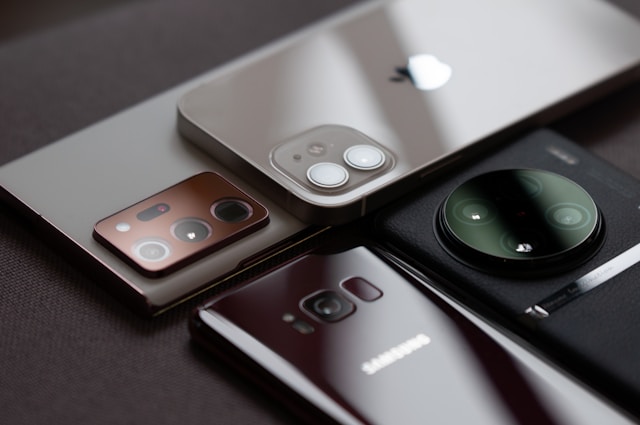
Smartphones stopped changing dramatically every year a while ago — but don’t let that fool you. Under the hood, 2027 is shaping up to be a genuine turning point, as foldables go mainstream, AI moves fully on-device, and charging speeds finally catch up to how we actually use our phones. Here’s what’s really worth watching.
Foldables Finally Go Mass-Market
Foldable phones have spent years as a pricey niche, but that’s changing fast. Industry analysts expect foldables to keep climbing toward a meaningful slice of the global smartphone market by 2027, helped along by cheaper components, better hinges, and more competition from Chinese manufacturers. Prices are trending below the $1,000 mark as panel and hinge costs come down, which means the “flagship-only” foldable era is ending. On top of that, newer creaseless display technology is finally solving one of the format’s biggest complaints — that visible dip down the middle of the screen — making folded phones feel far closer to a normal display when unfolded.
AI Moves From the Cloud to the Chip
The biggest shift in phones right now isn’t a new shape — it’s what’s happening inside. Flagship processors are increasingly built with dedicated AI silicon, letting phones handle real-time photo editing, voice recognition, translation, and predictive tasks entirely on-device rather than sending everything to the cloud. That matters for two reasons: speed and privacy. Expect this on-device AI approach to become the standard selling point across price tiers by 2027, not just on premium flagships, as AI assistants evolve from simple voice commands into genuine task-completing agents.
Goodbye, SIM Tray
Physical SIM cards are on their way out. Manufacturers are increasingly moving toward integrated SIM (iSIM) technology, where the SIM function is built directly into the phone’s processor rather than requiring a separate physical or even embedded chip. The practical upshot for users: better water resistance, tighter security, and carrier switching that happens entirely through software — no more hunting for a paperclip.
Batteries and Charging Catch Up
Battery anxiety has long been smartphones’ biggest weak spot, but silicon-carbon battery technology is starting to change that equation, packing more capacity into the same footprint. Combine that with charging speeds pushing past 150W on some devices, and full charges in under 10 minutes are becoming realistic rather than aspirational — a genuinely useful upgrade most people will actually feel day to day.
What This Means for Your Next Upgrade
If you’re holding off on a new phone until 2027, here’s the honest take: you’re not waiting for a dramatically different-looking device. You’re waiting for foldables to become genuinely affordable, AI to become quietly useful rather than gimmicky, and charging and battery life to stop being a daily worry. The phones of 2027 won’t look revolutionary in a display case — but they’ll feel noticeably better to actually live with.